
Stranger Things and Female Rage: ‘You’re Gonna Carrie That Weight’
Long time no read, little chogglets. 2025 ended in the same way that a burning oil rig lowers itself into the ocean and sets that on fire too - slowly, and just kind of making everything worse. But 2026 is well on its way, and I’m hoping that with the little stack of half-finished writings I’ve got from my little break, we can all return to normality with some regular Chogg.Blogs! Today, to satiate the internet-drama part of my psyche, I wanted to talk about Stranger Things and the way it ended. Also, Carrie, because I liked it. We can take a look at what they are saying, as well as what they say about us, the capital-G General audience that we are.
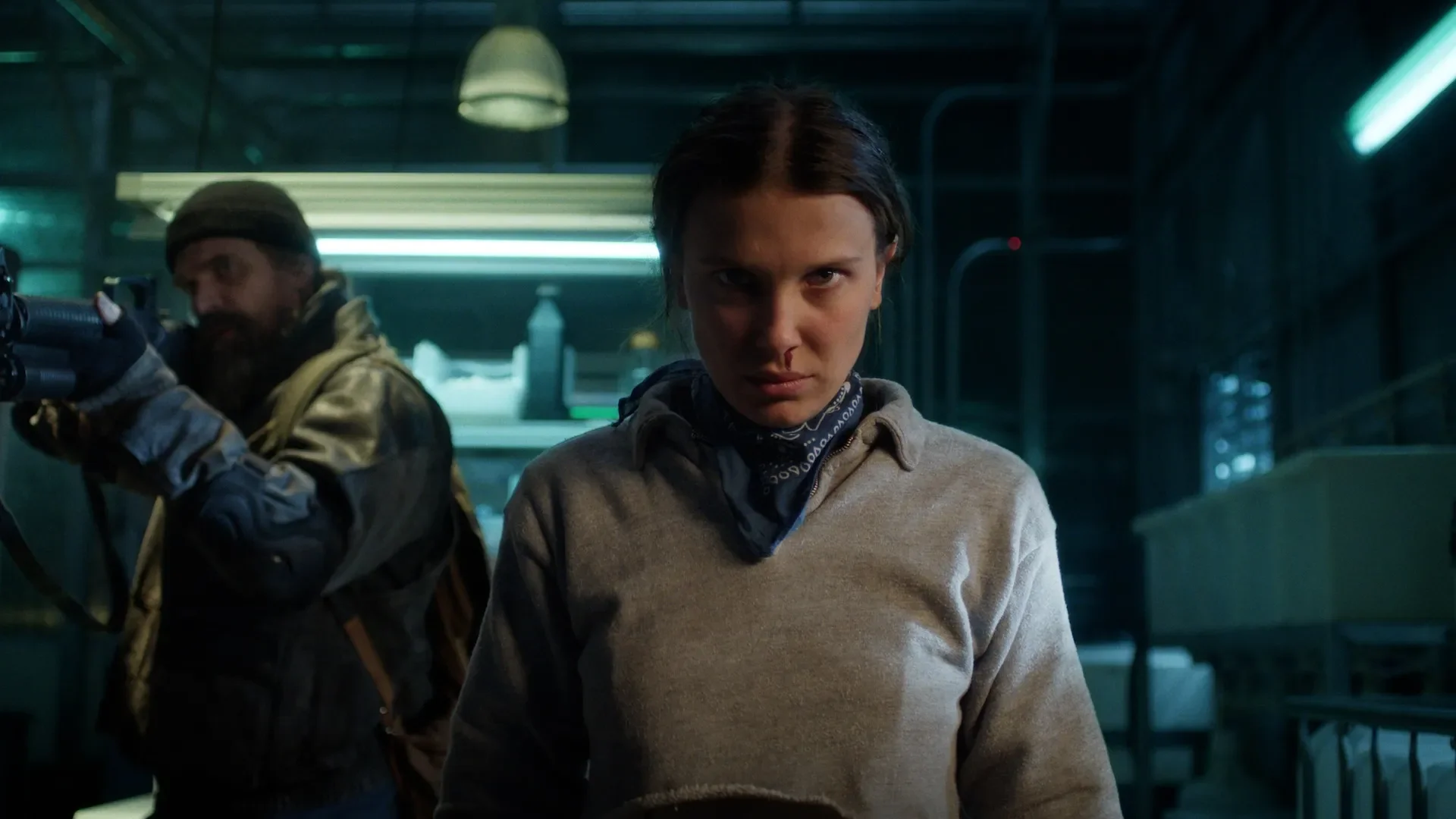
Stranger Things: Season Five Upset People
For a few moments, Stranger Things was the biggest show on the planet. When it arrived, it made ‘event television’ the model that all the other streaming services tried to repeat, and it was really tight, clever stuff. But the ending was so hated, almost universally, that fans started to theorise that it couldn’t possibly have been so disappointing on purpose. The internet was on fire for a good few weeks after the New Years eve finale, and splashes of the wave of criticism even seem valid.
Why are there no Demogorgons in the Mind Flayer’s dimension?
Why does no one die?
Why does Eleven die?
Why doesn’t she get a happy ending?
The final fight was so underwhelming.
The military was so underwhelming.
They just let everyone off the hook?
Trying to digest all the hate and come out the other side with a positive opinion on the finale would leave anyone a little tainted at best. But really, it was a worthy ending to a show that had stretched past an initially planned single season. Personally, when I saw the final episode, the things that made it work for me were the little full-circle moments. Hopper risks the fate of the Earth to save his daughter, and then has to watch her sacrifice herself for the fate of the Earth. Nancy, who has fought tooth and nail against the restrictions that her gender places on her in the 80s setting, realises she is the only one brave enough to be mind flayer bait. Joyce Byers is the one to finish the whole thing off.
The Dungeons and Dragons gang placed their binders back on the shelf, and all the symbolism from the first season - about a quickly vanishing childhood and innocence and growing up that was all a little lost in the chaos of action and set-pieces - it all comes flooding back to show you that childhood is over. Our cast of characters has grown up.
Perfect Always Takes So Long, Because It Don’t Exist
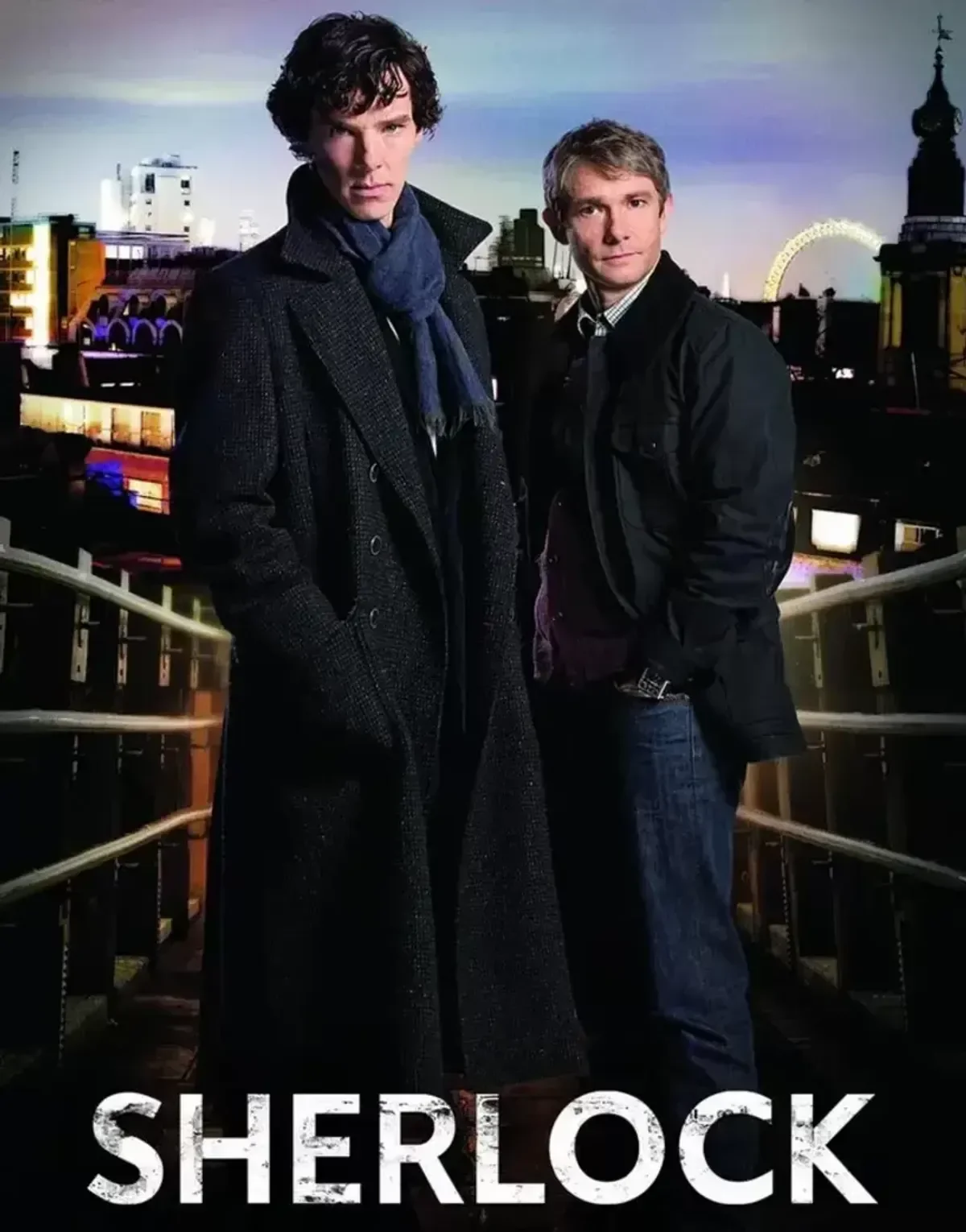
It’s interesting to try to look for endings that are universally praised. Game of Thrones was such a big mess that now people are embarrassed by how into it they were. How I Met Your Mother was so super controversial when it finished that people decided the ending was just bad, the show had jumped the shark. Sherlock had such a huge fanbase that were waiting so long between releases and writing so much fanfic that when the show finished, people thought it was a conspiracy by Mr Stephen Moffat. And then, slowly, people started to realise that the final episode is just how the show actually ended.
I’m sure there are a handful of shows that you can think of right now that end in a way you liked. I kind of liked Stranger Things (please, have mercy). I think Community, one of my favourite shows of all time, rounded out its sixth and final season in a pretty clever way by dissecting endings and the way that they are never going to be satisfying to everyone. Carrying on is never going to be the same, and leaving it behind is always going to be sad. How much can characters grow and learn before they aren’t even the people we fell in love with six seasons before? Put a pin in that thought. We’ll come back to it.
When a show ends, all that we want is resolution with zero ambiguity. Growth with no damage. A bunch of emotion, without any real ‘mourning’. Let’s break those ideas down a little: we want to see our characters get somewhere satisfying in an emotionally grounded way. But we are opposed to hurting characters who we have spent so long with, there are characters that half of us will decide deserve to live or deserve to die or deserve a happy ending. We are even opposed to the endings that feel open to interpretation, because ambiguity leaves a door open when a show is closing up shop.
Good horror, done right, will refuse all of these little comforts.
Stranger Things: Season One Kicks Ass
Remember when Stranger Things was horror?
Sifting through all the first season’s references to E.T, or the nerds getting to beat the bullies, we get some actual horror. Definitely influences of Steven King, like everyone pointed out early on, but also some bleeding in of Poltergeist in the lights, maybe a dash of A Nightmare on Elm Street (or maybe I just see Freddy everywhere).
Hopper cuts into the fake corpse of Will Byers. Barbara is killed with no fanfare beside a swimming pool while her best friend parties. There are threads of cosmic horror that the kids have to fight, and a bureaucratic conspiracy that threatens Hopper and all of the people they are apparently protecting. This is great stuff. We get our little moments of levity, they let us breathe in between, but the show is scary.
And so is Eleven.
She is never purely heroic. The little girl that our party of kids finds in the woods is being weaponised by the American government. The Duffers want us to see Eleven as a symbol for innocence and childhood transforming into maturity - a metaphor for growing up. Her psychic abilities, linked to her emotions and her rage, are an extension of this blossoming ‘personhood’. And they are repressed and used by shady people in suits who want to turn her into a tool.
Eleven makes friends quickly with these people who look out for her, but even with them, she is a little unstable. She kills the people who threaten her, yes, but she also attacks Lucas when the gang fight, throwing him into a car so hard that he is knocked out.
If we look at each character’s arcs, which are quite nicely done in the first season, we can see Eleven trying to reclaim an identity - trying to become herself - after all the trauma she goes through. Wearing a dress and feeling pretty, but also finding things to laugh at and the way that she speaks. But, in true horror fashion, Eleven can only survive by losing everything that she has reclaimed. To live to see season two, Eleven runs into the forest and loses herself again. The first season shows that not everyone is going to make it out, and those who do will be changed.
The Carrie Of It All
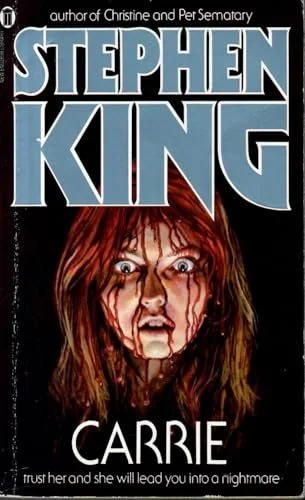
I can’t be the only one who sees Carrie here? At some point, the Duffer Brothers said that Carrie White had been an inspiration for Stranger Things, too. So what’s up with Carrie?
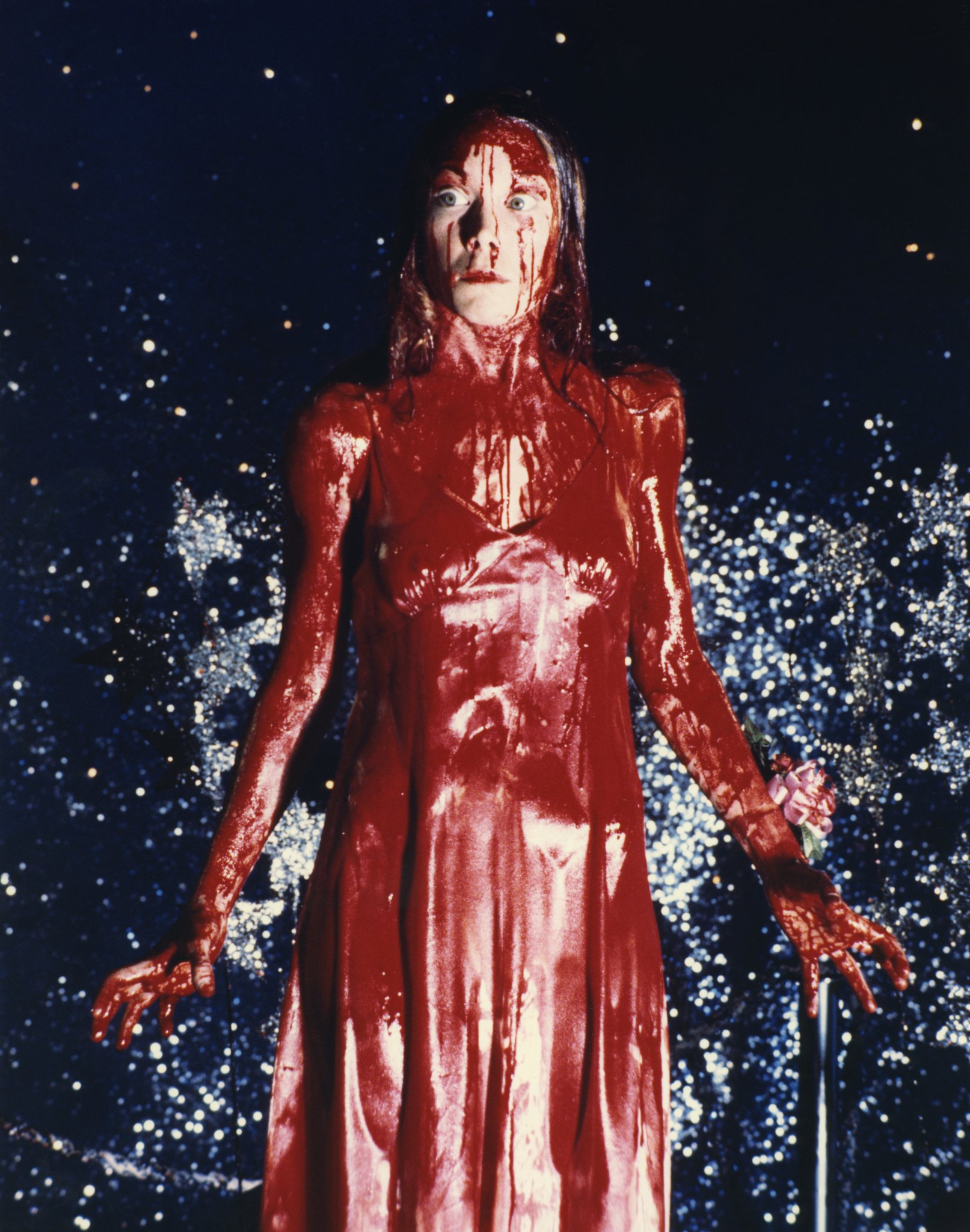
For anyone who hasn’t read Stephen King’s first book, Carrie is great. A young girl is bullied and repressed by her hyper-religious mother and reaches a breaking point. Also, crazy thing, she is psychic.
We get to see a strange little fastening: of a young girl’s trauma, her rage, her self-discovery and puberty all being tied tight to otherworldly power and destruction. In a very real way, Carrie White’s powers are an externalisation of her puberty - as her body changes, and she feels herself becoming somebody new, she also steps into this newfound power. All of the trauma she experiences in an abusive household and the cruel torture her classmates put her through is channelled into the volatile thoughts of a confused child. Rage empowers her. And it is horrifying.
In the same way that Eleven is an outsider who is ‘othered’ by other kids, by her friends, by her adoptive father, Carrie is forced into the role of the freak. Her classmates laugh at her and pull pranks on her, but children on the street even make efforts to show her that she is despised. Her mother sees her as living proof of the sin of sex that she was once tempted by, and locks her in a cupboard to reflect on scripture. But her first period, and so her realisation that she is a woman and that the reason she is excluded comes from her mother’s refusal to allow her to comply with society's expectations, changes things.
Carrie gets a chance to find herself as she grows up. Her puberty is a kind of rebirth - maybe even a baptism - that lets her back into the real world that her mother has kept her from. She gets asked to the prom, she makes her own dress. Just like Eleven, she starts to put together the pieces of who she is. And then, the real world snaps back like elastic. Her longtime bully dumps blood over her head at the prom and this is the last straw. Carrie - and, by extension, female adolescence - becomes the monstrous.
The innocence of a child is transformed into the bloodlust of a woman who has been wronged. And Carrie, who has been deprived of a place in the world by the gatekeepers of what ‘normality’ is, tries to destroy the world instead. It feels like the only way that we can filter the same themes that we see emerging from young boys in Stephen King’s Rage onto women.
Psychic Little Girls
Carrie and Eleven have a lot in common. The Duffer Brothers said in interviews that their little psychic is supposed to represent the magic of childhood, but she also acts as the fuse that forces the other characters to grow up. They start being interested in relationships, but also start having to deal with the monsters that wait outside of their sheltered youths.
It is a given that the other kids in school think that Eleven is weird. But the othering she faces from her friends feels different. When Eleven first appears, she is othered as the only girl in the group. Then her relationship with Mike takes him away from the group and produces a few uncomfortable moments. Even with Max in the core group, they call Eleven their secret weapon. She is a superhero. What is there to do with all this exclusion?
In the first season, she forces a bully to piss himself.
If I were prone to overanalysis or something, I would say that this is Eleven pulling the bully out of the socially accepted group, and that when the bully goes on pull a knife and threaten to cut the gang up in response, we can see how social othering pushes people to the brink in the narrative.
But I’m not going to say that. Instead, we’re going to attach a quality to Eleven here. She has a strict sense of justice, wanting bad people to be embarrassed. Thankfully, she has powers, and can make that happen.
Let’s flash forward a little to season four. Eleven has lost her powers and is in a brand new place away from most of her friends. She has a moment, in front of her class, where she realises that even without her powers, her trauma makes her so different and detached from the ordinary kids around her that she might never fit in. And then she gets her Carrie White moment - she is surrounded on an ice skating rink, and her classmates throw milkshake over her (not quite as brutal as pig blood). And all in front of her boyfriend. With no powers to fall back on, but full of rage that she has to externalise, Eleven cuts the bully's head open with an ice skate. Damn.
Eleven is changing. After the stress of the third season, she has lost her powers, her friends, and her dad. But also, in this season, she is supposed to be 14 years old. We can’t pretend that while she had her powers, she was the picture of childlike innocence. She spies on her boyfriend and uses her powers to get what she wants. Her rage - sometimes justifiable, other times extreme, but always filtered through the puberty-riddled mind of a 14-year-old - is where her powers come from, but that rage itself comes from every trauma she has ever gone through. It makes her unstable. So unstable, in fact, that she starts to believe that she killed every other child like her that the government were training. Her repressed memory and her discovery of her anger lead her to believe that she killed at least a dozen children. That’s powerful stuff, I think.
Carrie White & Eleven Hopper
You’ve seen Stranger Things, though. Eleven didn’t do a massacre in the Rainbow Room. And El Hopper is not Carrie White. In each season of Stranger Things, Eleven is allowed to get close to new people and meld with these other outsiders. She forges genuine connections. Carrie’s brief stint as a normal person lasts about a night, while Eleven gets a few years (on and off).
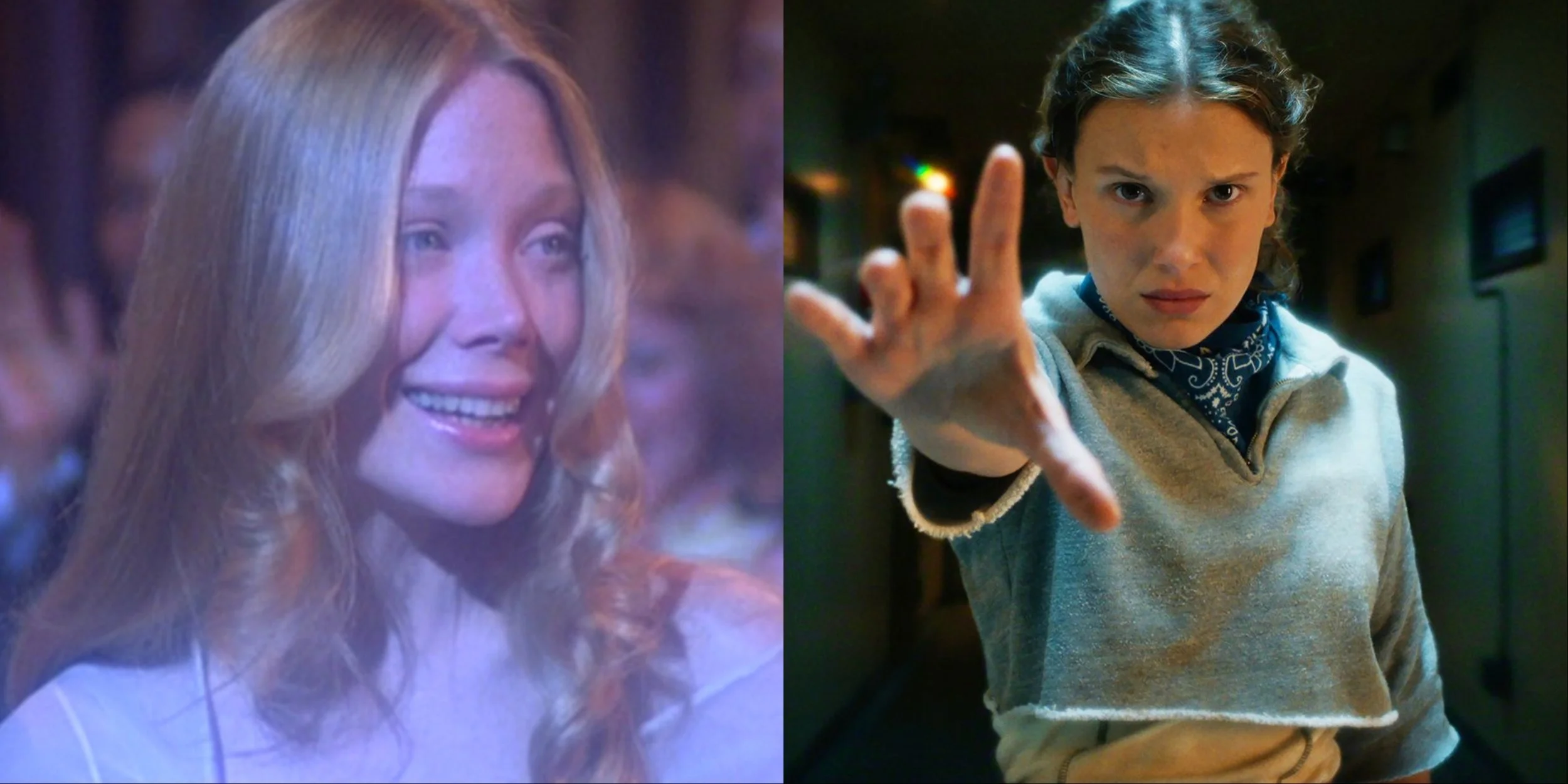
And then there is her rage. She crosses a line at the beginning of season four, when she attacks her bully and leaves her bleeding in a skating rink. And it is written off. The government will sort all of that out off-screen. The horror of what she did is gone, and of course, there was never a chance that she killed anyone in a rage-fuelled blackout because Vecna reveals himself. The government have to make her relive her trauma to get her powers back, making our link between anger, abuse and psychic powers as obvious as it can be and then in season five, we find out that actually, Vecna is the reason that Eleven has powers.
I can feel myself drifting. I like every season of Stranger Things. But, to take a quick look at where we put that pin earlier, Eleven has become something different from what we all liked at first. After hours of setting up this volatile girl who is not innocent and is so likeable for that reason, she is never allowed to confront what all of the hurt has done to her or what all of these pieces mean together. Carrie gets her chance to burn down a city and to kill everyone who ever wronged her. But Eleven cannot be a metaphor for the messy parts of growing up. The show backs away slowly from making her dangerous because that is not the ending that we want. She is a brand asset now - somehow simultaneously a horror icon and a Funko Pop for Primary School kids.

The Weight
It makes me wonder how much of this was Netflix’s fault. The show was being made on a huge scale, and it needed to appeal to the insane numbers it had started to pull. When the finale was released, Netflix’s servers were down because they were so busy. To loop back around to where we started, Netflix needed to end in a way that was comfortable.
I don’t think that is horror. Tying everything up in a bow with clean resolutions and happy-sad tears. Horror is anti-comfort. But Stranger Things didn’t want to be horror anymore. It needed to finish in a way that made it broadly satisfying, worked for repeat viewings, and left all of the beloved characters unscathed but better off for their adventures. It doesn’t mean that it is bad, mind you. I enjoyed the ending partly because of how neatly it wrapped everything up. But, somewhere between Barbara’s brutal death and Hopper proposing to Joyce, the show lost one of the threads. Global horror became Intellectual Property.
The Beatles’ album Abbey Road (I promise I’m going somewhere) ramps up toward the end with a big medley. But right before the last song - fittingly called The End - there is a song that I think about a lot. Carry That Weight doesn’t give us any other options or advice. All that they say is: “You’re gonna carry that weight a long time”. Everything you do and everything that happens to you is something that you have to - that you will - carry with you for a long time.
I think the way that women handle all their justified rage at their abuse and trauma is handled very differently in Carrie and Stranger Things, but it is important to look at where those differences are. How they ‘carry their weight’. In Carrie, trauma is weaponised until it becomes something explosive. A whole society has to pay for the rage that they grew in this child. The end of childhood and the death of innocence is apocalyptic.
In Stranger Things, all of that trauma is self-destructive and glorified. Eleven is told that by removing herself, the world will continue to turn, and rather than demanding the world make room for her, she bows out gracefully; she ends her life to end the cycle. But trauma is not self-solving. In reality, someone is always left to carry the weight. Sue Snell in Carrie is left a completely different girl than she was at the start after she gets to feel everything that Carrie White felt.
The weight cannot disappear. After Carrie White, the weight gets heavier and heavier until it breaks the world around her. Anyone who hurt her is forced to carry it with her. Things can’t go back to the way they were.
Eleven carries the weight alone. The things that the world put her through is never something that the world has to answer for. She collapses under the weight so that we can carry on. Comfortable. And the weight was never that heavy to begin with.
Basically -
Why does Eleven die?
Thanks for waiting for this one, guys! I’m really proud of this one, and my plan is to turn this into a video essay by the end of the month, so stay tuned for that. What did you think Of Stranger Things? Get in touch in the comments and make sure you chuck your email in the box at the bottom so you can read the next one of these when it goes up. I’ve got some big 2026 plans, so you’re just going to have to stay tuned. Until next time!
